Raising Monarchs, and other Everyday Acts of Devotion
It is early June, and a corner of our kitchen has, once again, been transformed into a butterfly nursery. The present caterpillar count is: two anglewings, two swallowtails, and four monarchs, all happily munching away on the leaves of their respective host plants within the safety of plastic to-go containers I hoard for this purpose. Rearing caterpillars inside is easy enough - just provide fresh leaves every day - and it prevents them from being picked off by tiny predators, like jumping spiders, wasps, and (most fearsome of all) ladybugs.
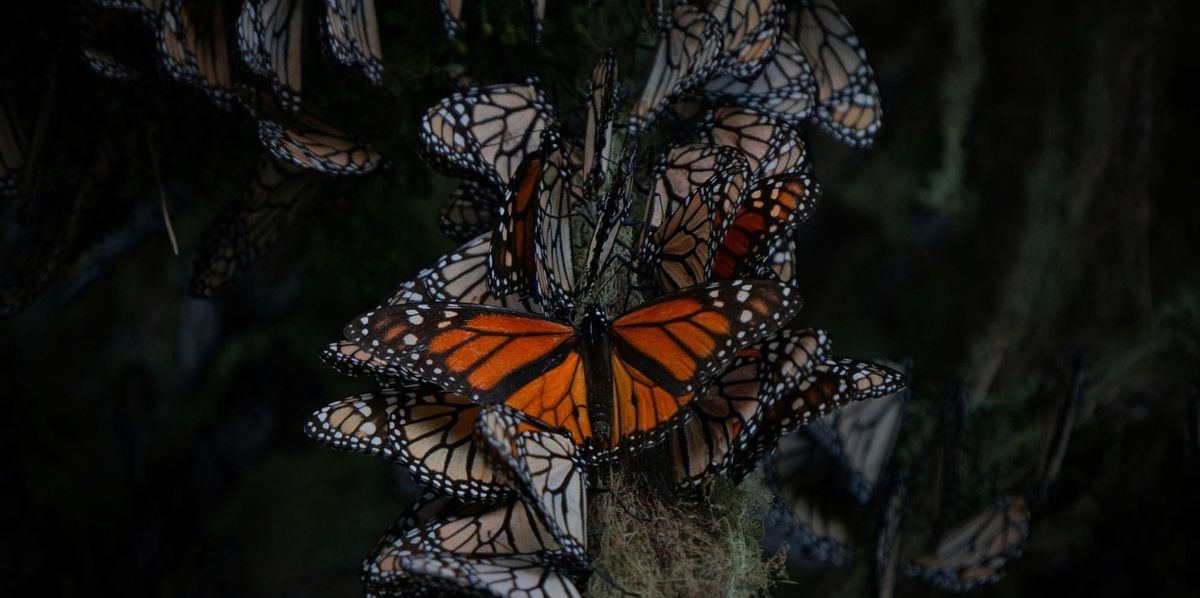
Caring for these tiny lives has taken on a more spiritual dimension since I have sought to deepen my animist practice, and acquaint myself more fully with the mysterious intricacies of the living world. It was David Abram’s narrative essay, Creaturely Migrations on a Breathing Planet (available here, on the Emergence Magazine Podcast), that transformed my view of monarch butterflies in particular - and indeed, all migrating creatures - from one of admiration to one of utter awe. In a time where so little remains unknown, the mechanism by which animals navigate vast distances and changing landscapes to find the exact, particular spot from which they originated is still a scientific mystery. When I release a monarch butterfly, it is in fact that butterfly's great-grandchild who returns the following year. How is the information needed to make this journey communicated across generations? Or is it somehow encoded within the butterfly and passed along some other way? The question is enough to make us start pondering the very nature of memory, of consciousness. Abrams proposes that migration can best be understood as "pulsations within the broad Body of earth." "Perhaps it would be useful, now and then," Abrams suggests, "to consider the large, collective migrations of various creatures as active expressions of the earth itself." Rather than focusing on the organism doing the migrating, is it not more beautiful to consider the relationship, the way the Earth works on the creature, and the creature works on the Earth? Within this framework, the migration of birds, buffalo, or - in our case - butterflies, is like the embodied pulse of our biosphere.
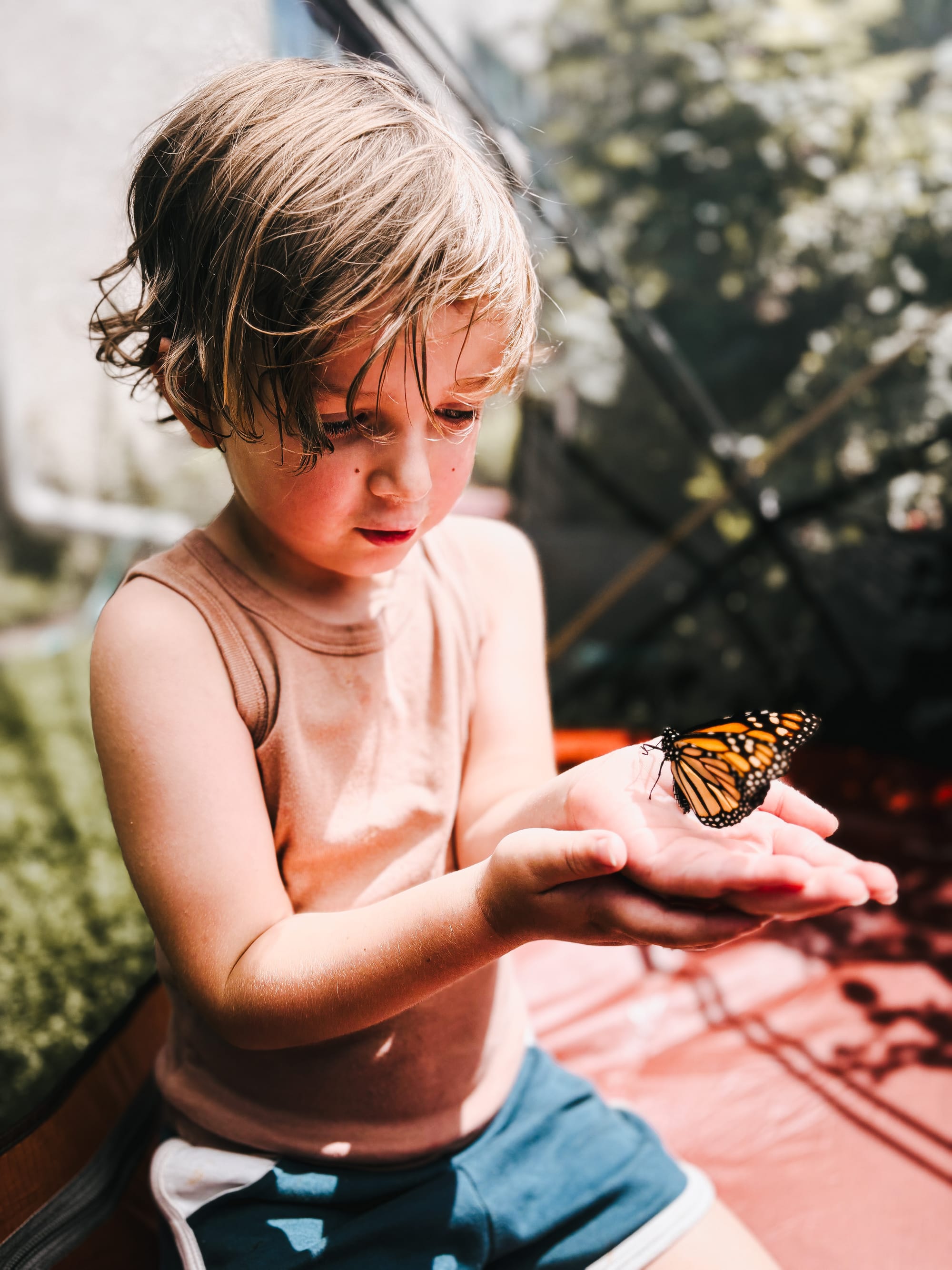
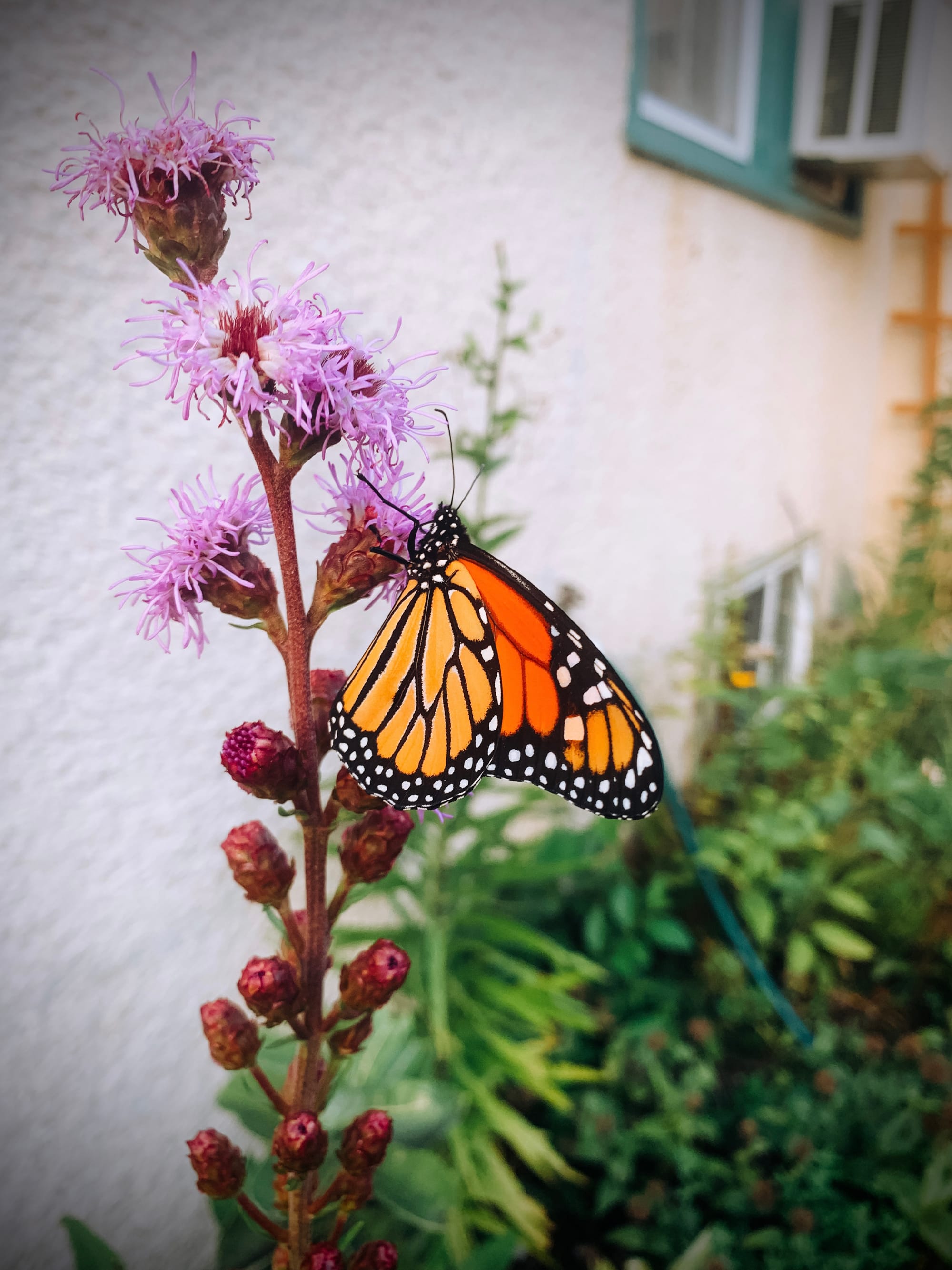
Back when I still saw monarchs as “just butterflies,” they were no less important to me. In my garden, summer’s arrival is determined not by the date on a calendar, but by the sighting of our first monarch visitor. Against the odds, they return to my home with uncanny accuracy, year after year. When I first moved into my South Minneapolis home, the yard was a desert of grass and gravel, and I struggled in those first years to establish a pollinator garden that would attract my beloved monarchs. Finally, a volunteer milkweed appeared - the monarch’s host plant. And on that one single plant, a mother butterfly laid one single egg. I nurtured the lone caterpillar indoors until it transformed into a beautiful monarch, and I released it along with a whispered prayer that more would follow, that somehow the memory of my garden would be passed down through generations until its offspring’s offspring found their way back the following summer. And I dare say, my prayer was answered. Each year, for a decade of summers, they have returned to my garden without fail.
I have sometimes wondered - if this was indeed a prayer, who answered it? As an animist, I also consider myself a pantheist; I believe that all things are divine, and God is in everything. But I also like to believe, as my own ancestors did, that there are animal spirits whose existence somehow spans both the mundane world and the spiritual. The prayer for the monarchs’ return was not some wish to be fulfilled by a higher power, but a message whispered to the monarchs directly: come back and bless our garden again. Entrust me and my family to care for you in generations to come. Whether this prayer was fulfilled through monarch instinct and biology, or something entirely divine that transcends those things… it makes no difference. The miracle is not rendered less miraculous because it is an act of nature.
And the work that I do as a steward of these butterflies - are these not my own acts of devotion? I have often been struck by the thought, as I weed, water, and plant new flowers to attract the monarchs, that I am tending a living altar. After all, I am leaving offerings - real ones - in this physical realm, to the butterflies and caterpillars themselves. Yet, there is something in my acts that feels transcendent, like I am participating in a ritual honoring the Monarch Spirit as well. Through my own actions, I am communicating to this greater being a profound message of care: that I wish for their kind to continue to thrive here, on this planet.
I have a feeling that even those of us who believe we have lost touch with the sacred will find a certain holiness in their own deeds if they choose to see them in a new light. Caring for something you love, making music, dancing, painting, even eating your favorite meal - these are all acts of connection and devotion, if they are done with the right kind of attention. As much as the dominant culture of the last several centuries has sought to undo our living connection with the divine, we remain hard-wired for deep relationship with the world around us. By bending towards what inspires us, we instinctively step through the very doorways that might lead us to divinity.
Our summer follows a predictable rhythm of searching for eggs, rearing caterpillars, and releasing butterflies. Like the migration itself, this seasonal practice has become part of the heartbeat of our family. Every year, the monarchs provide us with the sacred opportunity to sync ourselves back up with the pulse of the Earth.
How do we bring even more intentionality into our practice of caring for butterflies and other pollinators? Check out my next post on creating living altars.