Tending a Living Altar | A Living World Practice
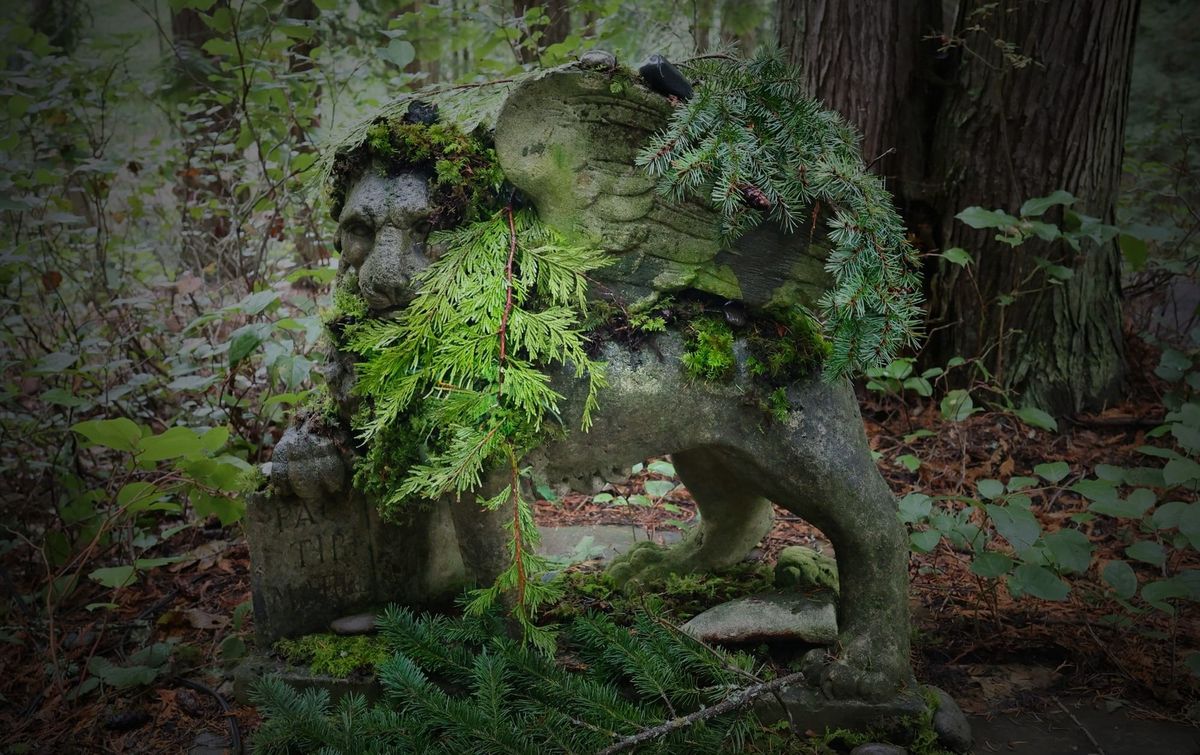
"Our yard is beautiful," my husband says, as he shoves another armful of weeds into a brown yard waste bag. "But it's not not a lot of work." And he's right. We've lived in our home for 14 years, and every one of those years, I've found ways to add more garden space. We have a substantial vegetable garden, a rain garden, a shade garden, various pollinator gardens, a garden in the boulevard space between the sidewalk and the street, a garden by the alley, and an assortment of potted plants - all in our little postage-stamp of an urban yard. Each of these spaces requires hours of tending and maintenance each week (that we don't really have), and the season always ends with some relief that the snow will eventually come and cover up all those bug-eaten leaves, vegetables gone to seed, and every weed I didn't have time to pull.
And yet, no matter how busy I get, I can't imagine life without the routine that starts when the seed catalogs arrive in January and ends when I spread a blanket of mulch over the raised garlic bed in November. It doesn't even matter that some years I get a good harvest and some years, I don't. My gardening may have sprung from an interest in self-sufficiency, but I have since come to recognize that the true value of my garden is in the connection it provides me to the seasonal rhythm of life on this planet. I am more acutely aware of drought, or a late frost, or invasive pests when I am seeing their effects directly, in the plants I care for. I am able to enjoy a humble, store-bought potato more completely when I have labored over my own potato plants from year to year, struggling to get a consistent yield.
My gardening is a devotional practice, and the garden itself is an altar. This thought - that a garden is an altar - came to me the other day when I saw my neighbor Ann, who was watering her beautiful boulevard garden. The way she pours her heart into this small plot of land - just a thin strip of dirt a couple yards wide, between the street and sidewalk - is reflected in the sense of balance and sheer diversity that thrives there. She has created a little ecosystem, a wonder to behold, that invites passersby to pause and be drawn in. It made me consider how many of us keep these sorts of altars without even realizing it - altars to our community, altars to nature, altars to the things we treasure and adore, like family, special places we've traveled to, even pets.
What is an altar, really? It is a place where attention, memory, gratitude, and relationship are intentionally practiced. I love this definition because it frees us from the idea that altar-keeping is a purely religious practice. An altar is a defined space where the ordinary world intersects with the divine - however we define it. Like lighthouses for the sacred, altars are places where we gently draw in the forces we deem greater than ourselves to enter our world. Whatever objects we place upon our altars are often arranged in a special way, reminding us that the power comes not from the objects themselves, but from our relationships with them - and the feelings they elicit in us. Whether we choose to believe in a higher power or not, an altar is a portal; interacting with it pulls us out of the stream of our daily actions, into a world of relationship, emotion, and memory.
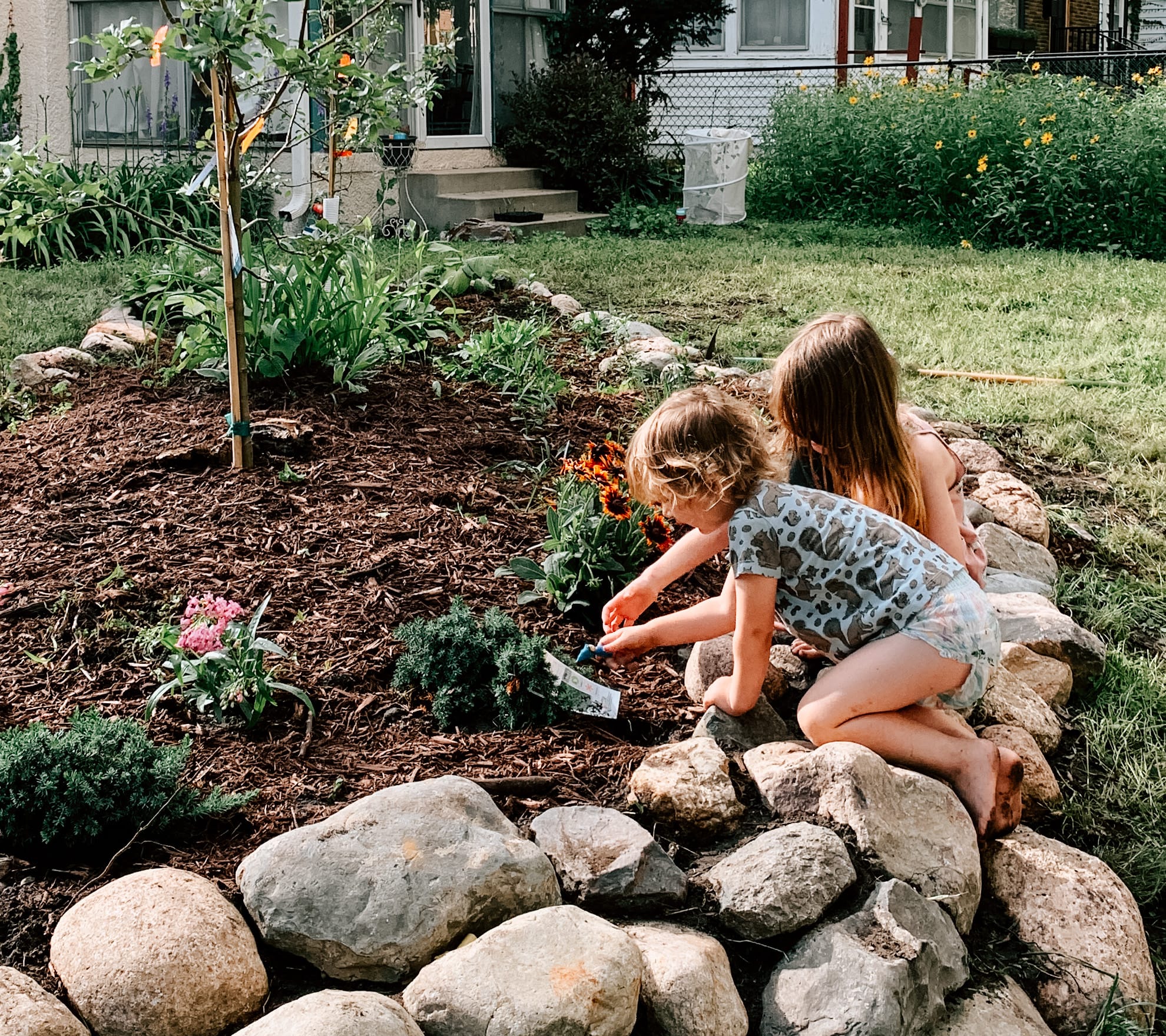
My garden is an altar to hope. It is an altar of gratitude. It is a reminder to cultivate wakefulness and reciprocity. And through it, I access the spirit - or "sacred uniqueness," if you prefer - of an entire community of beings. Standing within my garden, I am connected to a wider web of life, and I know that my well-being relies - inextricably - on many forces over which I have very little control.
What other altars do I keep? My aquarium is an altar to water. Even though I set the tank up as a place to keep fish and plants, I quickly learned that water is not an inert liquid that just takes up space in a container, but a complex, living matrix that needs a lot of tending - like soil - in order to support life. Pausing to observe my aquarium has become an act of meditation, of reverence. My bookshelves are altars; they are overflowing with treasured objects and books through which I access the wisdom of my own disembodied counsel of elders. You could even say that the place where I set down my dog's food and water is an altar, of sorts. And I do keep more formal altar-spaces as well, although I visit them much less often than I'd like. My every-day altars get far more attention.
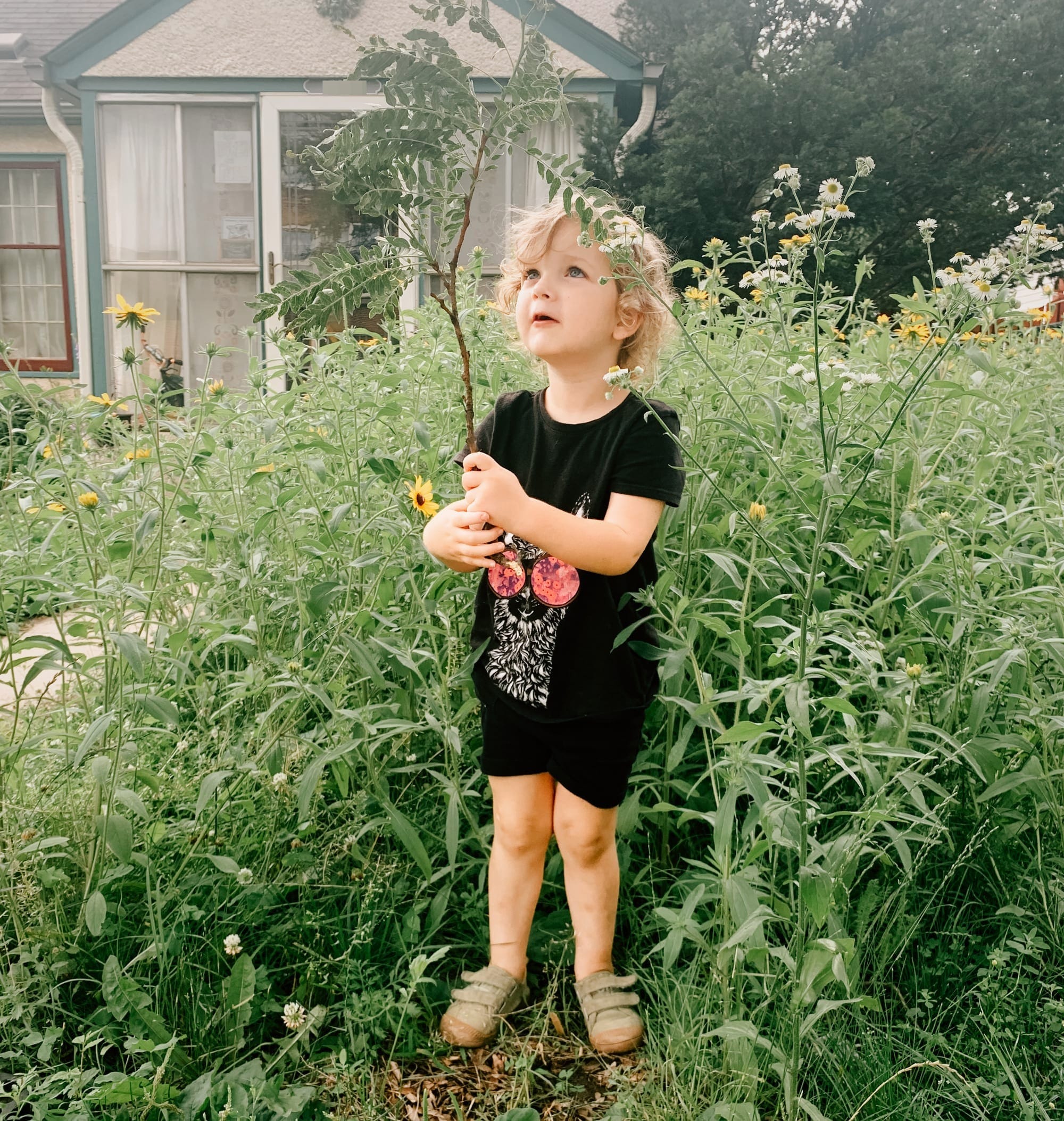
Recognizing the altars around me has, in turn, allowed me to recognize that I am also surrounded by altar-keepers. I see so much evidence that human beings are hardwired to seek out the sacred, to regard the world with reverence - even though we are constantly being told that the opposite is true. In fact, my entire social media feed feels curated to convince me that the majority of people on this planet genuinely don't care about anything that doesn't directly serve their own self-interest, and I suppose I could choose to believe that. It would be naive to deny that greed, apathy, and cruelty are a part of human nature, and the unfortunate truth is that those who have ascended to the highest positions of power are usually the most greedy, the most cruel. But I have also seen the way my daughter cradles a dying moth in the palm of her hand. The way my neighbors pick up litter in the spring when the snows thaw. The way the neighborhood coffee shop has become a gathering place for Narcan training and recovery meetings, and the school across the street became an impromptu food shelf during the peak months of the ICE Occupation. The way my in-laws have kept every drawing, card, and hand-written note we have ever given them.
In a world that often feels profane, people are performing sacred acts all around us. Modern people are still making altars all the time, once you know how to look for them. It's when we connect our intention to an act of tending to something, that we imbue it with holiness.
And so finally I ask you, what altars are you keeping? Could you be more intentional about how you tend them?