The True Magic of Mealtimes - Using Stories to Build Better Relationships with Food
As I set out to write the introductory posts for this project, I got hung up on the idea that I needed to include something like a manifesto, as mission statement to help define what it is I'm actually trying to do here.
It went about as well as you would expect.
Instead, I decided to follow the oldest advice ever given to writers: write what you know. And at the moment, I know that getting my kids to eat an adequate amount of nourishing food every day is an (almost) all-consuming struggle.
I never thought that I would be raising picky eaters. In fact, in the months leading up to the birth of my first child, I was pouring over French Kids Eat Everything by Karen Le Billon and Pamela Druckerman's Bringing Up Bebe, and letting myself be convinced that the secret to raising easy-going, open-minded children was just to do parenting the right way (and, according to these authors, the French have cracked the code).
Then I had kids. And it became clear that kids are whole human beings who arrive fully equipped with a temperament and a destiny all their own, and although nurture certainly plays a big role, there's no way we can prepare for what nature has encoded within our child until we get to know them. From day one, my son and daughter have managed to thwart all the "parenting hacks" and "common sense approaches" every well-meaning author or influencer has thrown my way. They rejected all my attempts at baby-wearing and weaned themselves the moment they cut their first tooth, and have since continued to undermine the crunchy, Earth Mama vibe I initially felt called to follow.
I really did want my kids to be the ones who would "eat everything." For me, food is an essential love language - not just between fellow humans, but between humans and the land. Meal sharing is a sacred act. In their early years, I inadvertently put a lot of pressure on them to become adventurous and gracious eaters. After a decade of experience, however, I've learned that my kids do not respond well to pressure. Although I don't think it's fair to say that I "made" them picky, I can see that my reactions were leading them to mistrust their own experiences with food. “Come on, it’s yummy!” I would say enthusiastically while they made a face at me that told me they clearly did not agree. “Doesn’t that smell good?” I asked as they twisted their expressions into comical masks of disgust while I scooped something new onto their plate. “Come on, every kid loves this,” I insisted as they picked suspiciously at their meals. “Be brave and try it!”
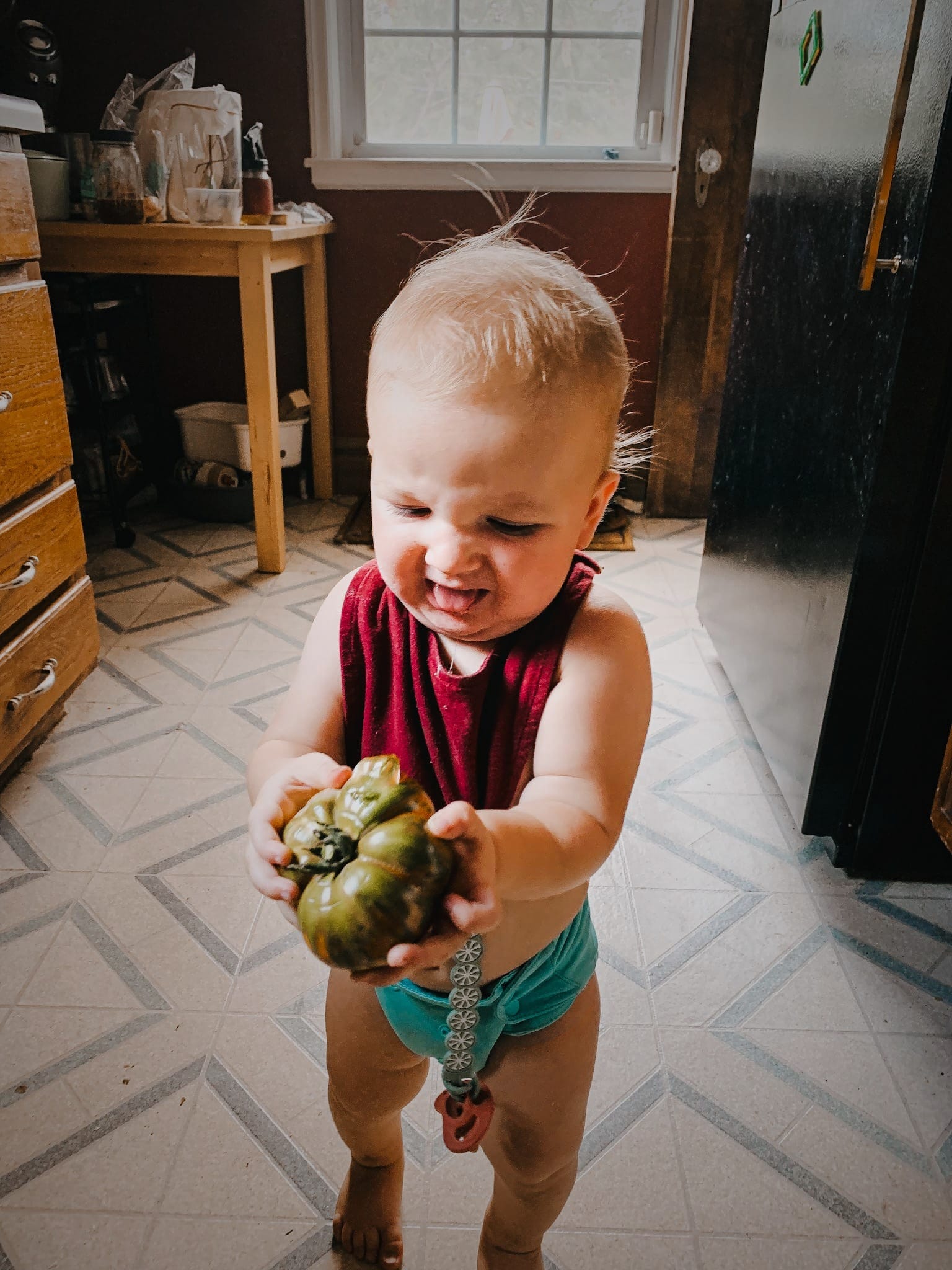
The turning point came when I gave my daughter a piece of fried chicken to try and she turned to me with a genuine look of fear in her eyes, and said “I’m scared.” My immediate response was, “oh come on, how can fried chicken be scary?” But reflecting later, I realized that her statement was completely warranted. Mealtime had turned into a place where she knew she would be judged, pressured, scrutinized, shamed, and negotiated with. If a willingness to try new foods made her “adventurous” and “brave,” then her reluctance meant… what? She was a coward? She was bad?
I realized then that I needed to let go of my own stories about the moral superiority of kids that eat everything, and instead learn to see my children's pickiness as an opportunity to help them develop a deeply healthy lifelong relationship with food - even if it means accepting they may never be adventurous eaters.
What all kids need is to know that food is safe, not a source of anxiety. They need to know they can trust their senses and that they won’t be told that the way they are experiencing food is wrong. Parents unintentionally undermine their child’s experiences all the time, having clearly forgotten that developing a taste for certain foods often means overcoming our initial aversion, which requires trying things multiple times. For some kids - especially neurodivergent kids - who experience sensory information more acutely, that aversion can be extremely overwhelming, even stressful. And when a parent puts extra pressure on that child to eat things they don't like, it can create a situation that breeds trauma, potentially leading to a lifelong struggle with food. As resilient as kids are, I believe that we can see evidence of unhealed trauma playing out in my generation's collective hangups with food and body image (anyone else remember 90's diet culture?). As a parent who aims to be a cycle-breaker, I want to embrace the opportunity to find a better way forward for my own kids, one that involves instilling joyful, guilt-free eating habits based on trusting one's own bodily experiences.
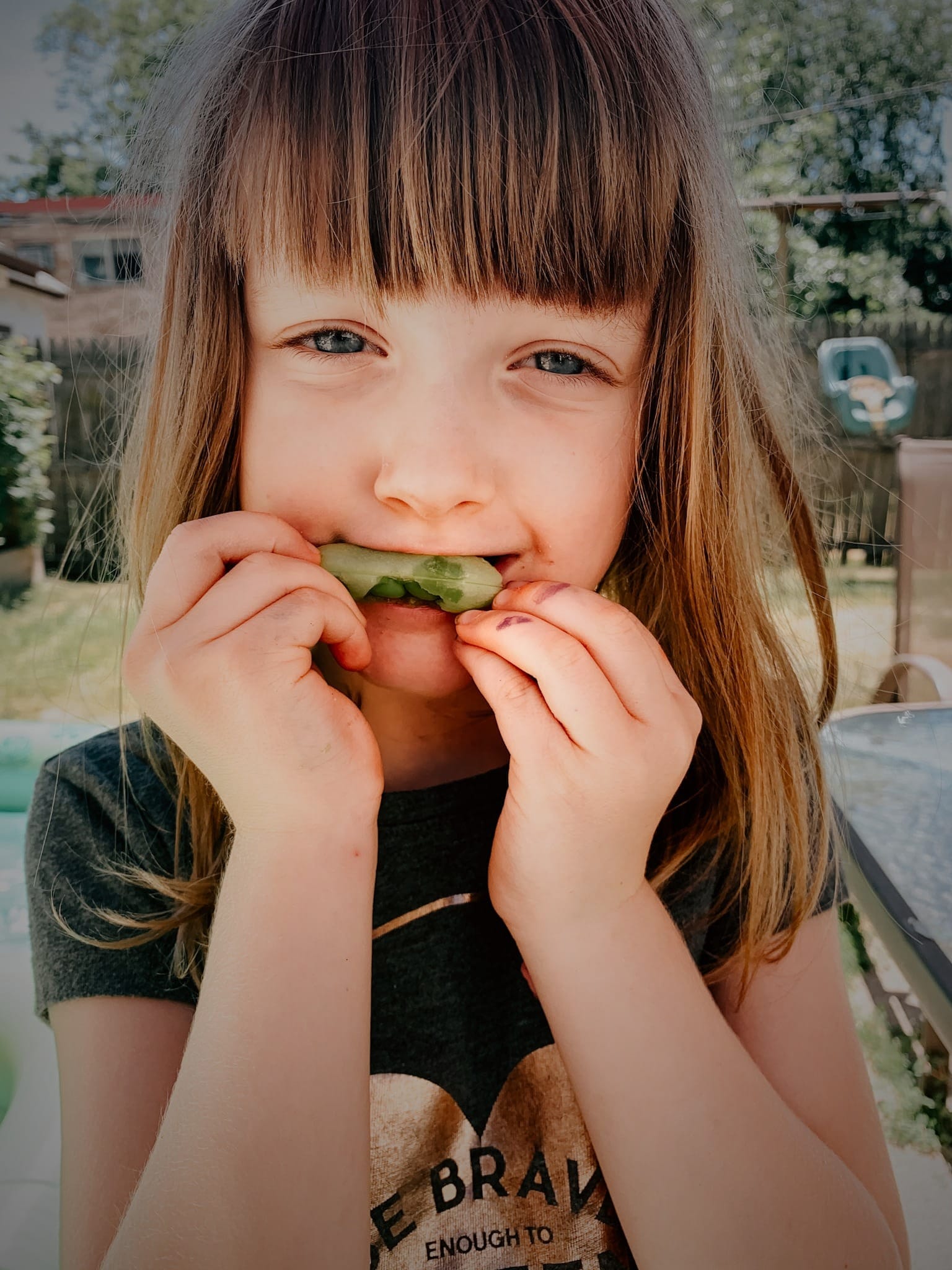
Now, my goal has shifted from "having obedient children who eat whatever I serve them" to, "raising adults who are able to enjoy food in a healthy, embodied way." So, instead of pushing them to taste every food on their plate, we can create new stories about food - which, in turn, begins with building new experiences. My son, for instance, loves to pick lettuce in the garden so he can use the salad spinner to wash it. Even though he isn't ready to taste the lettuce, he is experiencing it with all his other senses, enjoying his contribution to our mealtime. My daughter isn't a big fan of pastries (I know! What?), but she enjoys helping mix the batter whenever I make a cake. And I find it so interesting that while she cannot be bothered to try a single vegetable at the dinner table, she will snack on pea pods, cherry tomatoes, and even green onions when she's alone in the garden.
Above all, I've accepted that what I truly want is for mealtimes to be about gathering together in a way that's - mostly - judgment and drama-free. Food isn't always about being nourished, and meals aren't just about eating. They're about time spent together. They're about honoring the relationships that bring food to our table.
I set out to write a little story to let my children know that we were going to reframe our approach to mealtimes. I'll be publishing it in my next post. It's called, The Little Tomte and The Very Old Table.